
Best Ergonomic Seat Cushions for Office Chairs — Comfort All Day
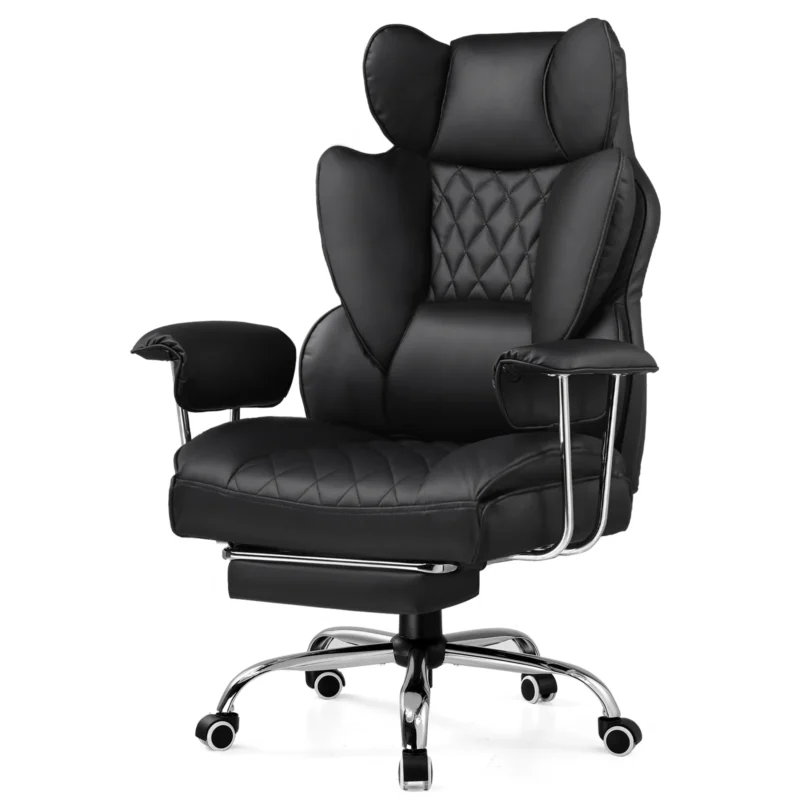
Working from home has its perks — no commute, flexible hours, your own coffee. But sitting for 6, 8, even 10 hours a day on the wrong chair — or the right chair without the right support — quietly destroys your posture, your lower back, and your focus. The damage is slow, invisible, and cumulative. By the time most people notice it, they’ve already spent months compensating with bad habits that make things worse.
The fix doesn’t have to be a $500 chair upgrade. A quality ergonomic seat cushion for your office chair can transform how you feel by 3pm — and it costs a fraction of a new chair. The right cushion redistributes pressure, corrects your pelvic tilt, and gives your spine the support it was never getting from your seat alone.
Why Your Chair Alone Isn’t Enough
Most office chairs — even expensive ones — are designed for the “average” body. The problem? There’s no such thing. Seat depth, hip width, tailbone position, leg length — these vary dramatically from person to person. A chair that’s perfect for a 6-foot person is a posture disaster for someone 5’4″. A seat cushion fills that gap, literally and figuratively.
The right cushion redistributes your weight away from pressure points, reduces direct load on the tailbone and coccyx, and encourages a natural pelvic tilt that keeps your spine aligned without effort. The result: less fatigue, less pain, better circulation, and sharper focus throughout the day. It’s one of the highest-ROI upgrades you can make to a home office setup — small investment, immediate impact.
What to Look for in an Ergonomic Seat Cushion
Not all cushions are equal. Here’s what actually matters when you’re choosing one:
Memory foam vs. gel-infused foam — Memory foam molds to your unique shape over time and provides consistent support. Gel-infused foam adds a cooling layer that disperses body heat, making it the better choice for long sessions or warm environments. If you tend to run hot or work in a room without great airflow, go gel.
Coccyx cutout — A U-shaped or tailbone cutout relieves direct pressure on the coccyx, which is the most common source of sitting pain for desk workers. If you have any lower back, tailbone, or sciatica issues, this feature is non-negotiable.
Non-slip base — A cushion that slides every time you shift position is more frustrating than helpful. Look for a rubberized or textured grip base that stays put on any chair surface, including leather and fabric.
Cover material — Breathable mesh or bamboo covers maintain airflow during long sessions. Avoid cheap polyester if you sit for more than 4 hours a day — it traps heat and moisture fast.
Density and durability — Foam density is measured in kg/m³ or lbs/ft³. Anything below 40D will flatten within weeks under daily use. Look for 50D or higher for a cushion that holds its shape for 12–18 months of regular use.
Portability — If you move between a home desk, a car, and an office, a lightweight cushion with a carry handle adds real convenience without adding bulk.
Top Picks for 2026
Best Overall — Memory Foam Coccyx Cushion
The classic choice for a reason. A contoured memory foam cushion with a coccyx cutout handles 90% of use cases. It works on office chairs, car seats, dining chairs, and even airplane seats. Look for one with a washable, zippered cover and a foam density of at least 50D. Anything softer will flatten within weeks and lose its ergonomic benefit entirely. This is the cushion most physiotherapists recommend as a first step before investing in a new chair.
Best for Heat — Gel-Infused Seat Cushion
If you work long hours in a warm environment, a gel-infused cushion is a genuine game changer. The gel layer absorbs and disperses body heat, keeping you cool and comfortable even during marathon work sessions. It pairs especially well with a mesh ergonomic office chair that already promotes airflow — together, they create a seating setup that stays comfortable from morning to evening.
Best for Posture — Wedge Seat Cushion
A wedge cushion tilts your pelvis slightly forward, which naturally straightens your lower back without you having to consciously think about it. It’s particularly effective for people who tend to slouch, who have tight hip flexors from prolonged sitting, or who work at a desk that’s slightly too high for their chair. Combine it with a lumbar support cushion for a complete back-care setup that addresses both the seat and the backrest simultaneously.
Best for Sciatica & Tailbone Pain — Donut Cushion
Simple, affordable, and surprisingly effective for acute tailbone and coccyx pain. The ring shape eliminates all direct pressure on the tailbone, which makes it the go-to recommendation for people recovering from injury, surgery, or chronic sciatica. Not the most stylish option, but if you’re dealing with real pain and need relief fast, a donut cushion delivers immediate results while you work on longer-term solutions.
Best Premium Option — Orthopedic Dual-Layer Cushion
For those who want the best of everything — a dual-layer cushion combines a firm orthopedic base for structural support with a soft memory foam or gel top layer for comfort. These tend to be thicker (3–4 inches) and more durable, making them worth the higher price point if you’re sitting 8+ hours a day. Look for one with a non-slip base, a breathable cover, and a coccyx cutout.
How to Use a Seat Cushion Correctly
Buying the right cushion is step one. Using it correctly is step two — and most people skip it entirely.
Place the cushion so the coccyx cutout aligns precisely with your tailbone — not pushed too far forward or too far back. Sit fully back into your chair so your back makes full contact with the backrest. Your feet should be flat on the floor or resting on a footrest. If your chair now feels too low after adding the cushion height, adjust the seat height accordingly — most chairs have 4–6 inches of adjustment range.
Give yourself 3–5 days to adjust. Your body has been compensating for poor posture for months or years. A corrected alignment will feel slightly unfamiliar at first — that’s normal. Stick with it. Most people report a noticeable reduction in end-of-day fatigue within the first week.
Pair It With the Right Setup
A seat cushion is one piece of a well-designed home office. Pair it with the right desk height, a monitor arm at eye level to eliminate neck strain, a monitor light bar to reduce eye fatigue, and a clean, organized desk surface — and you’ve built a workspace that works for your body, not against it.
Small upgrades compound. A cushion here, a monitor arm there, better lighting — within a few weeks you have a setup that makes you more productive, more comfortable, and less exhausted at the end of the day.
If you’re building or upgrading your setup from scratch, our complete home office setup guide covers everything from seating to lighting to cable management in one place — it’s the fastest way to go from a basic desk to a workspace you actually enjoy working in.