
Working From Home Statistics 2026: The Data Behind the Remote Work Revolution
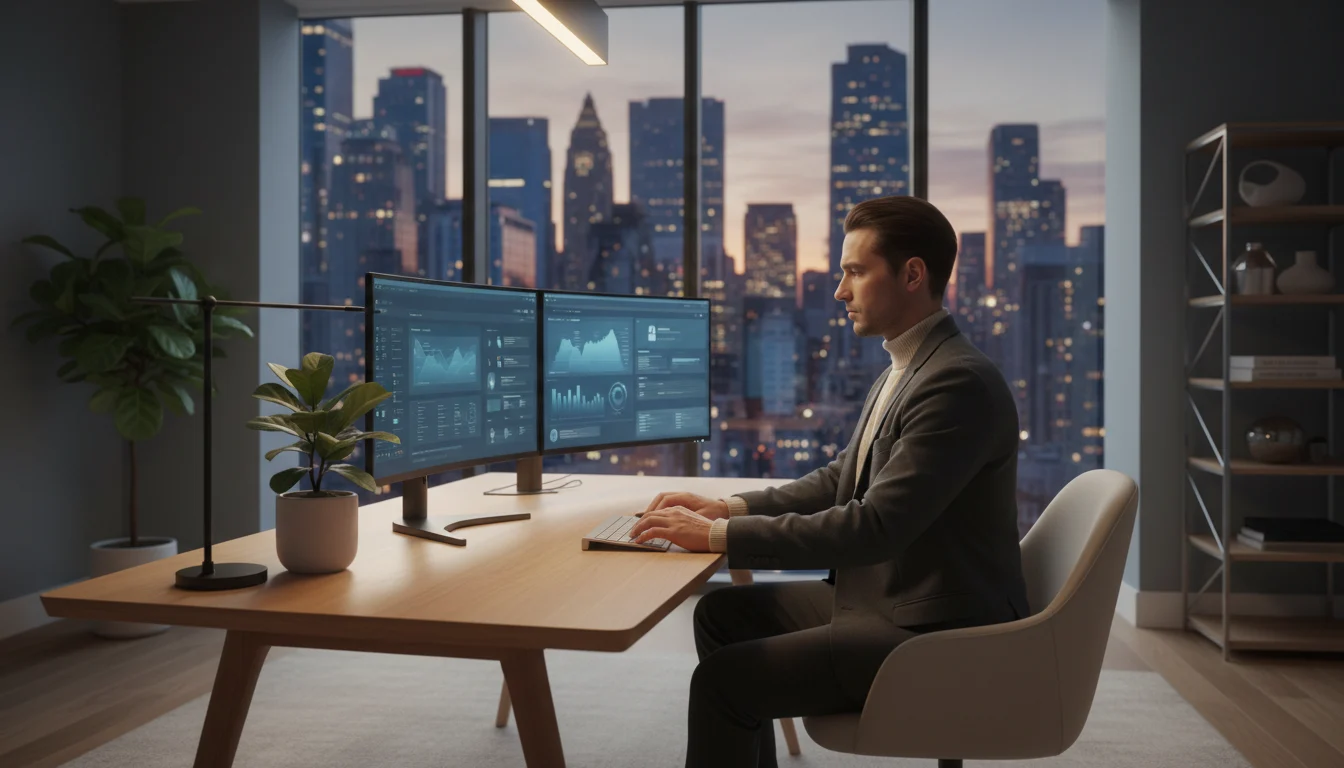
The office as we knew it is gone. Not entirely, not for everyone — but the shift that began as an emergency response in 2020 has become a permanent restructuring of how and where the world works. The working from home statistics for 2026 tell a story that is no longer about a trend. It is about a new baseline, and the numbers are more significant than most people realise.
Whether you are a remote worker optimising your setup, a business owner managing a distributed team, or someone considering the switch to full-time remote work, understanding the data gives you a clearer picture of where things stand — and where they are heading.
How Many People Are Working From Home in 2026?
The scale of the shift is hard to overstate. According to data from Gallup, Buffer, and McKinsey’s Global Institute, the global remote workforce has grown dramatically and consistently since 2020
📊 Remote & Hybrid Work Adoption — Global Knowledge Workers 2026
| Working Arrangement | Share of Knowledge Workers |
| Fully Remote | 35% |
| Hybrid (part remote) | 28% |
| Fully Office-Based | 37% |
Source: Gallup State of the Global Workplace 2025 / McKinsey Global Institute
Nearly two thirds of the global knowledge workforce now spends at least part of their working week outside a traditional office. In the United States, fully remote workers have grown from approximately 5 percent pre-pandemic to over 22 percent in 2026. The UK, Australia, Canada, and Western Europe follow a near-identical trajectory.
Remote work is no longer concentrated in tech. It has spread across finance, marketing, legal services, education, healthcare administration, and creative industries. The home office is not a niche — it is the new normal.
The Freelance Economy Is Growing in Parallel
The rise of remote employment has been matched by an explosion in independent work. Upwork’s 2025 Freelance Forward report estimated that over 64 million Americans performed freelance work in the past year, contributing approximately $1.27 trillion to the US economy.
📊 US Freelance Workforce Growth 2019–2026
| Year | Freelancers (Millions) | Economic Contribution |
2019 | 57M | $1.0T |
2021 | 59M | $1.1T |
2023 | 62M | $1.2T |
2025 | 64M | $1.27T |
2026 (est.) | 67M | $1.35T |
Source: Upwork Freelance Forward Report 2025
The home office is not just where employees work — it is where an entire generation of independent professionals has built their businesses, their brands, and their income streams.
What Remote Workers Are Spending on Their Home Office
This is where the data becomes particularly relevant for anyone thinking about their home office desk setup. A 2025 survey by Owl Labs found that remote workers spend an average of $863 per year on home office equipment and upgrades. Among higher earners and professionals in technical or creative fields, that figure rises significantly.
📊 Average Annual Home Office Spend by Category — 2025
| Category | Average Annual Spend |
| Ergonomic seating | $280 |
| Monitor & display setup | $210 |
| Desk lighting & accessories | $145 |
| Cable management & organisation | $85 |
| Desk pads & surface accessories | $75 |
| Audio & peripherals | $68 |
Source: Owl Labs State of Remote Work 2025
The ergonomic chair for home office use remains the single most purchased category, followed closely by monitor arms, desk pads, and monitor light bars. These are not impulse purchases — they are considered investments made by professionals who understand that their workspace directly affects their output.
The shift toward premium home office products has been consistent and accelerating. Remote workers who have been working from home for two or more years consistently report upgrading their setups as their understanding of what they actually need deepens. The first year is about getting set up. The second year is about getting it right.
The Productivity Question — What the Research Actually Shows
One of the most persistent debates around remote work has been the productivity question. The 2026 data has largely settled it.
📊 Productivity Impact of Remote Work — Key Research Findings
| Study | Finding |
| Stanford University (Bloom et al.) | +13% productivity for remote vs office workers |
| McKinsey Global Survey 2025 | 87% of remote workers report equal or higher productivity |
| Harvard Business Review 2025 | Hybrid workers show highest retention rates globally |
| Owl Labs 2025 | Remote workers save avg. 35 mins/day vs office commuters |
The caveat in almost every study is consistent — productivity gains are strongly correlated with workspace quality. Remote workers with dedicated, well-equipped home offices consistently outperform those working from kitchen tables or makeshift setups. The data is unambiguous: investing in your workspace is investing in your output.
A proper home office desk setup with the right ergonomics, lighting, and organisation removes the physical and psychological friction that drains energy and breaks focus. When your environment is designed for work, your brain follows.
The Commute Calculation
The average commute time in the United States is 27.6 minutes each way according to the US Census Bureau — approximately 4.6 hours per week, or roughly 230 hours per year. That is nearly 10 full days of life returned to the individual every year.
📊 The Annual Cost of Commuting vs Remote Work
| Expense | Office Worker | Remote Worker |
| Annual commute cost | $2,000–$5,000 | $0–$200 |
| Hours lost to commuting | ~230 hrs/year | ~0 hrs/year |
| Lunch & coffee spend | $2,500–$4,000 | $800–$1,200 |
| Work wardrobe | $800–$1,500 | $200–$400 |
| Total annual saving | — | $4,100–$9,300 |
Estimates based on US Census Bureau, BLS Consumer Expenditure Survey 2025
Remote workers eliminate most or all of these costs, which is one reason why salary surveys consistently show that remote professionals report higher overall financial satisfaction despite sometimes accepting slightly lower nominal salaries in exchange for location flexibility.
What This Means for Your Workspace in 2026
The data points in one clear direction. Remote work is permanent, it is growing, and the professionals who thrive within it are the ones who treat their home office as a serious professional environment rather than a temporary arrangement. The gap between a productive remote worker and a struggling one is increasingly a workspace gap.
Building a genuinely excellent home office setup has never been more accessible. The products that used to require a corporate procurement budget are now available directly to individuals at competitive prices. A quality ergonomic chair, a dual monitor setup with a proper monitor arm, a monitor light bar, a clean desk pad, and sorted cable management — these are the building blocks of a workspace that supports serious, sustained, high-quality work.
At Kuykoo we exist precisely for this moment. Our entire product range is built around the remote worker who takes their setup seriously — curated for quality, priced for accessibility, and shipped free to anywhere in the world.
The remote work revolution is not coming. It is already here. The only question is whether your workspace is ready for it.
Build the office your work deserves.